Supermarket shelf layout directly affects product visibility, shopper flow, and sales performance. A strong shelving plan makes products easier to find while keeping the store clean, flexible, and efficient to restock.
Use Gondola Shelves for Flexible Aisles
Gondola shelving is one of the most adaptable retail fixtures. Adjustable layers, hooks, baskets, and back panels allow stores to display different product categories without replacing the whole system.
Place High-Margin Items at Eye Level
Products placed between waist and eye level usually receive more attention. This zone is useful for best sellers, new products, seasonal goods, and high-margin items.
Make End Caps Work Harder
End-cap display racks are valuable because they face main traffic routes. They are ideal for promotions, bundled products, and fast-moving items that need extra exposure.
Balance Visibility and Capacity
Too many products can make shelves look crowded, while too little stock reduces sales opportunities. The goal is to keep a full appearance while preserving clear product grouping and label visibility.
Steely Metal supplies supermarket shelves, display racks, peripheral equipment, and shelf accessories with custom sizes, colors, and OEM branding options.
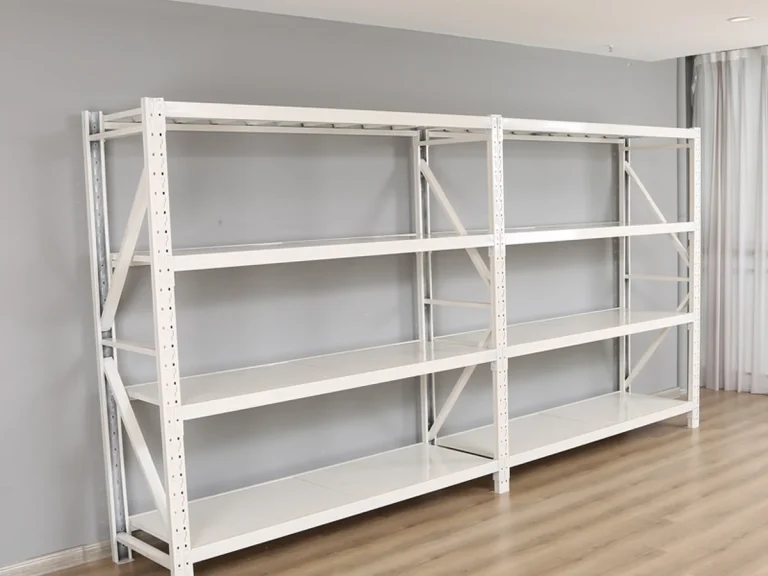
Pallet rack and boltless shelving are both popular storage systems, but they solve different problems. Choosing the right one depends on load weight, handling method, available height, and how often products move in and out.
Pallet Rack: Best for Heavy Palletized Goods
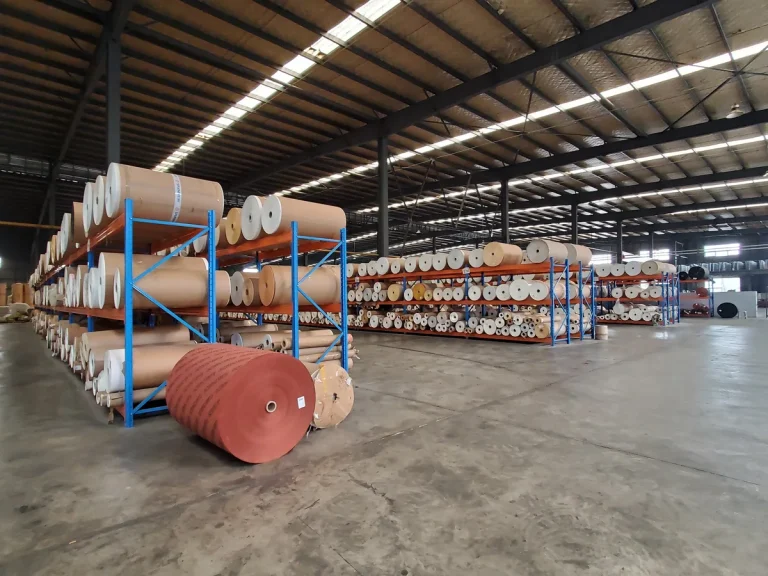
Pallet rack is designed for forklift loading and heavy-duty warehouse storage. It is ideal for pallets, cartons, raw materials, and bulk inventory that needs vertical storage and organized access.
Boltless Shelving: Best for Manual Picking
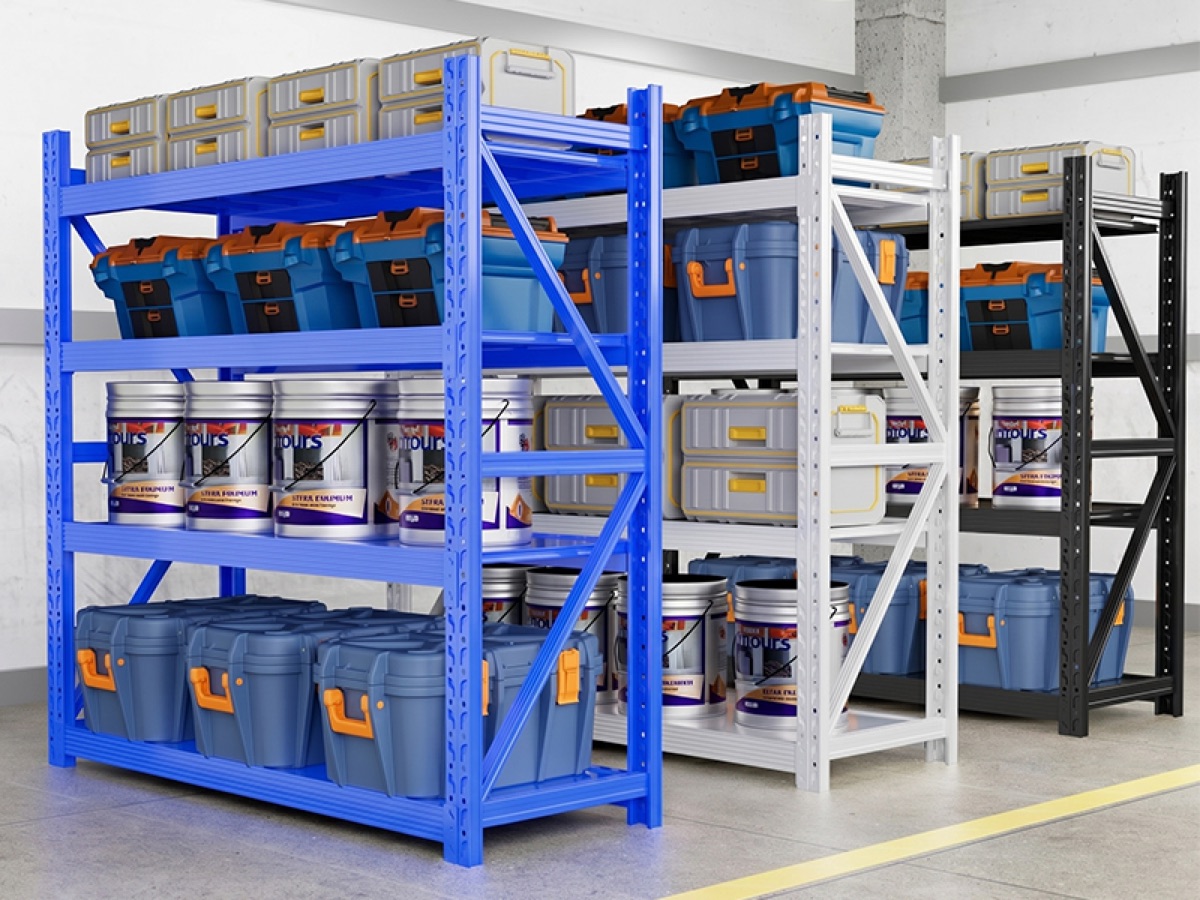
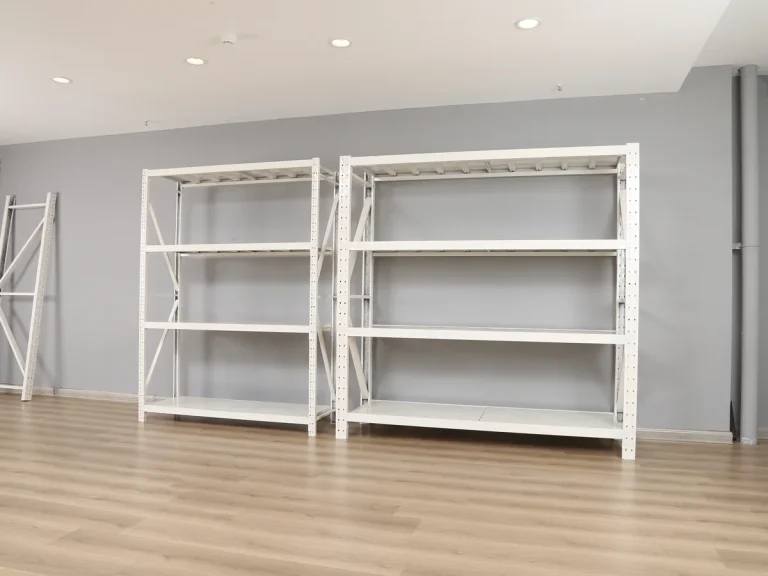
Boltless shelving is easier to assemble and adjust without complex tools. It works well for spare parts, retail backrooms, workshops, garages, e-commerce picking zones, and lighter cartons handled by hand.
Compare Load and Access Requirements
If goods are moved by forklift and stored on pallets, pallet racking is usually the better choice. If workers pick items manually and need flexible shelf heights, boltless shelving may be more efficient.
Consider Future Expansion
A growing warehouse may use both systems: pallet racks for bulk storage and boltless shelves for small-item picking. This mixed layout can improve space utilization and order handling speed.
As a factory-direct manufacturer, Steely Metal can customize rack size, beam capacity, shelf material, color, and packaging for different storage applications.
Warehouse racking safety becomes more important as storage density increases. A well-designed rack system can improve capacity, but daily use, forklift traffic, and changing inventory can slowly introduce risk if the system is not checked regularly.
1. Confirm Load Capacity Labels
Every pallet rack bay should have clear load information. Operators need to know the maximum beam level load, total bay load, and any restrictions for unusual pallet sizes or unevenly distributed goods.
2. Inspect Uprights, Beams, and Connectors
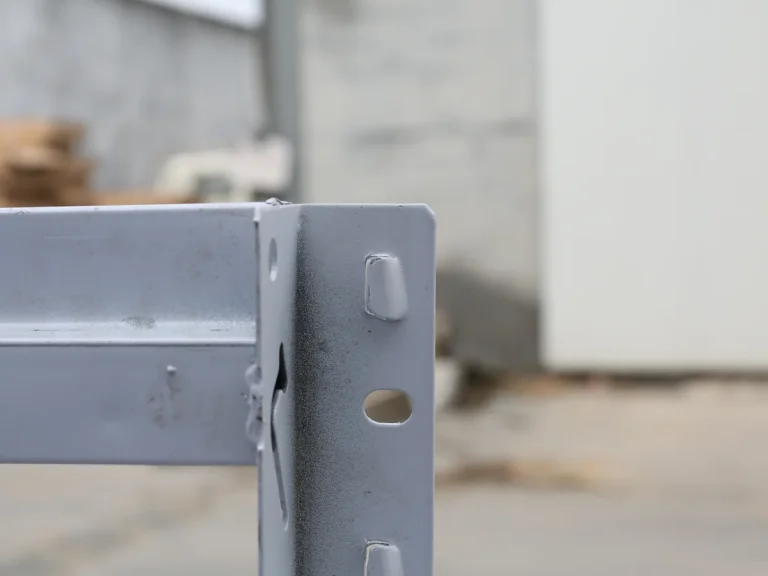
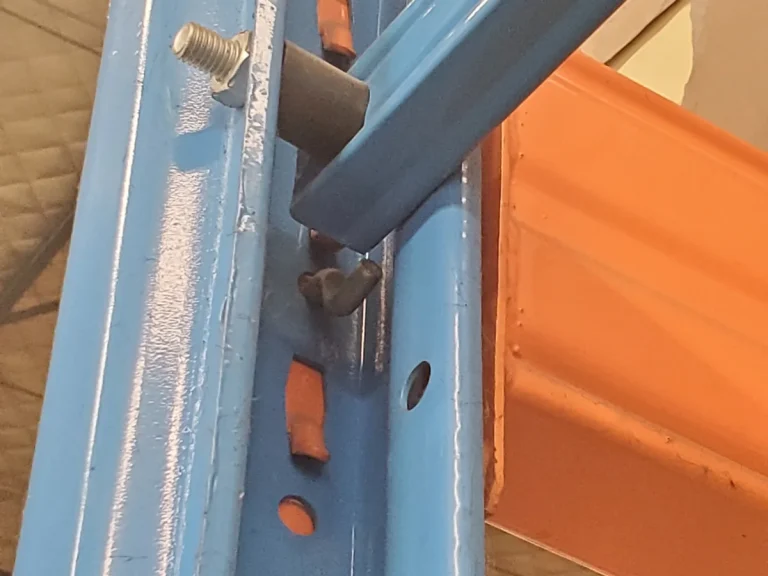
Look for bent uprights, twisted beams, loose safety pins, missing locking clips, cracked welds, or rust in high-impact areas. Even small deformation can reduce the strength of a rack structure.
3. Check Anchors and Floor Conditions
Anchors help keep the system stable during loading and unloading. Loose anchors, cracked concrete, or uneven floors should be corrected before the rack is returned to heavy use.
4. Keep Aisles Clear
Good aisle clearance reduces forklift collisions and improves picking efficiency. Avoid placing temporary stock, pallets, or packaging materials near rack uprights and traffic corners.
5. Build a Monthly Review Habit
A short monthly inspection can prevent expensive repairs and downtime. For high-traffic warehouses, combine monthly checks with a quick daily visual review by the warehouse team.
Steely Metal manufactures warehouse racking systems with custom dimensions, powder-coated finishes, and OEM/ODM support for global storage projects.
Industrial storage systems endure heavy use. Here are five signs it is time for an upgrade.
1. Visible Damage
Bent beams, rust spots, and cracked welds are red flags. Replace affected components immediately.
2. Capacity Limitations
If you are consistently loading shelves near their rated capacity, you need heavier-duty racking. Our industrial shelving handles up to 1,500 lbs per shelf.
3. Inefficient Space Use
A professional racking audit can identify opportunities to add 20-30% more storage capacity.
4. Safety Compliance
Updated safety codes may require features your old system lacks — column protectors, row spacers, or seismic bracing.
5. Changing Inventory
If your product mix has shifted, your racking should adapt. Modular systems from Steely Metal can be reconfigured without replacing the entire installation.
Schedule a free warehouse assessment today.
A well-designed supermarket layout directly impacts sales. Studies show that proper shelving placement can increase product visibility by up to 40%.
Gondola Placement
Double-sided gondola shelving creates efficient aisles while maximizing display surface. Standard aisle widths of 1.2-1.5 meters allow comfortable customer flow.
End Cap Power
End caps receive 3x more customer attention than inline shelving. Use them for promotions, seasonal items, and high-margin products.
Material Matters
Steely Metal gondola shelving uses powder-coated steel in multiple finish options. All shelves are adjustable in 25mm increments.
Contact us for a free supermarket layout consultation.
Selecting the right racking system is one of the most important decisions for any warehouse operation. The wrong choice can lead to wasted space, safety hazards, and operational inefficiencies.
1. Assess Your Inventory
Start by analyzing what you are storing. Pallet dimensions, weight, turnover rate, and SKU count all influence which system works best.
2. Measure Your Space
Building height, column spacing, and floor condition determine what is physically possible.
3. Plan for Growth
Your racking system should accommodate future growth. Modular designs allow reconfiguration as your needs change.
4. Safety First
Always ensure your racking system meets local building codes and safety standards.
Contact our team to discuss your specific requirements.